Furniture Near Kona's Coast: Choosing and Caring for Finishes
Furniture beside an open ocean-facing lanai faces different exposure from furniture inside an air-conditioned room. Rain, ordinary cleaning and moisture can all affect a piece, but the exact mix depends on where it sits. A material name alone cannot promise a longer life in Kailua-Kona. Before buying, decide whether the piece is for a covered outdoor area, a fully exposed space or an indoor room near an open door.
Contents
- What can salt and moisture do to furniture?
- How does sun affect wood and upholstery?
- Which materials should you compare?
- What maintenance routine is realistic?
- What should you check before buying?
Key takeaways
- Moisture drives degradation in coastal settings.
- Sunlight changes the appearance of exposed materials.
- Compare complete products under the same proposed use, not isolated species or metal names.
- Follow the maker's cleaning instructions first.
- Moisture is a real consideration near the coast, especially for components exposed to dampness.

Ocean-facing coastal landscape.
This guide uses primary material-care sources to explain what to inspect and ask suppliers. It does not assign a universal lifespan to teak, acacia, aluminum or any named finish, and it does not treat a regional climate average as the condition at your house. The useful result is a product chosen for its stated use and a maintenance plan that can be followed.

Garden path through dense planting.
What can salt and moisture do to furniture?
Moisture drives degradation in coastal settings. According to the U.S. Environmental Protection Agency guide to mold and moisture, condensation and wet or damp spots should be fixed promptly to prevent mold growth, and reducing indoor humidity is part of that control. For furniture placed near an open lanai, this means watching where water collects on frames, under cushions and around fasteners. Check joints, frame undersides and places where water pools first.
Do not focus only on the visible frame material. A chair may have a coated frame but exposed screws, hinges or reclining parts. Ask the seller what every exposed component is made from and whether the complete assembly is rated for the intended outdoor location. A claim about one metal grade or a powder-coated surface does not establish that the fittings, cut edges and joints will perform identically.
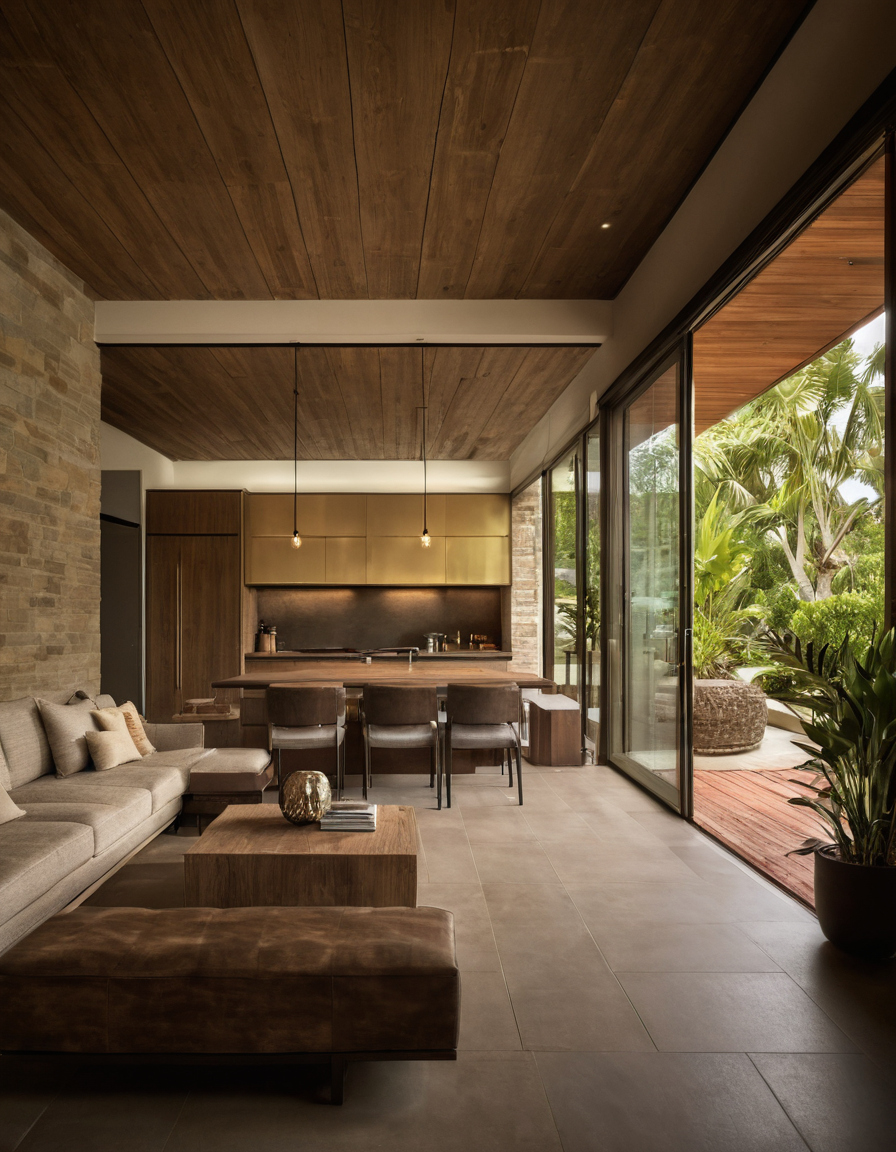
Living room opening onto a planted terrace.
Finishes and cleaning products themselves introduce variables. The U.S. Environmental Protection Agency identifies paints, varnishes, waxes, cleaning products, building materials and furnishings as common indoor sources of volatile organic compounds. When applying or stripping finishes on furniture indoors or in a semi-enclosed lanai, the EPA recommends increasing ventilation during product use. Look for existing chips, white deposits, staining or loose coatings when evaluating a used piece. A flaw is a reason to ask about repair and maintenance, not a reliable stopwatch for age. If damage has reached a structural joint, have the maker or a qualified repairer assess it before using the chair. Cleaning the visible stain does not necessarily restore the strength of the connection. Understanding how moisture behaves on these surfaces leads directly to the next question: what happens when direct sunlight joins the equation?
How does sun affect wood and upholstery?
Sunlight changes the appearance of exposed materials. According to the US Forest Service chapter on finishing wood, selecting a wood finish requires balancing appearance, protection, cleanability and weathering exposure (US Forest Service). A tabletop under an eave may still receive angled sun or wind-driven rain, so the finish must match that specific exposure rather than a generic "outdoor" label. Ask whether the wood finish is specified for exterior conditions, what preparation it requires and how it is renewed. A finish marketed as marine needs a product sheet and application instructions; the word alone does not tell you how it will perform on this piece. Photograph the finish at purchase so you can distinguish gradual weathering from a new fault later.
For cushions and upholstery, ask for the exact fabric and foam specification, cleaning instructions and intended indoor or outdoor use. Outdoor cushions are not museum textiles, but considering light exposure remains necessary rather than assuming all fabrics marketed as durable behave alike. Once you understand how light and weather interact with finishes, the next step is comparing the materials themselves.
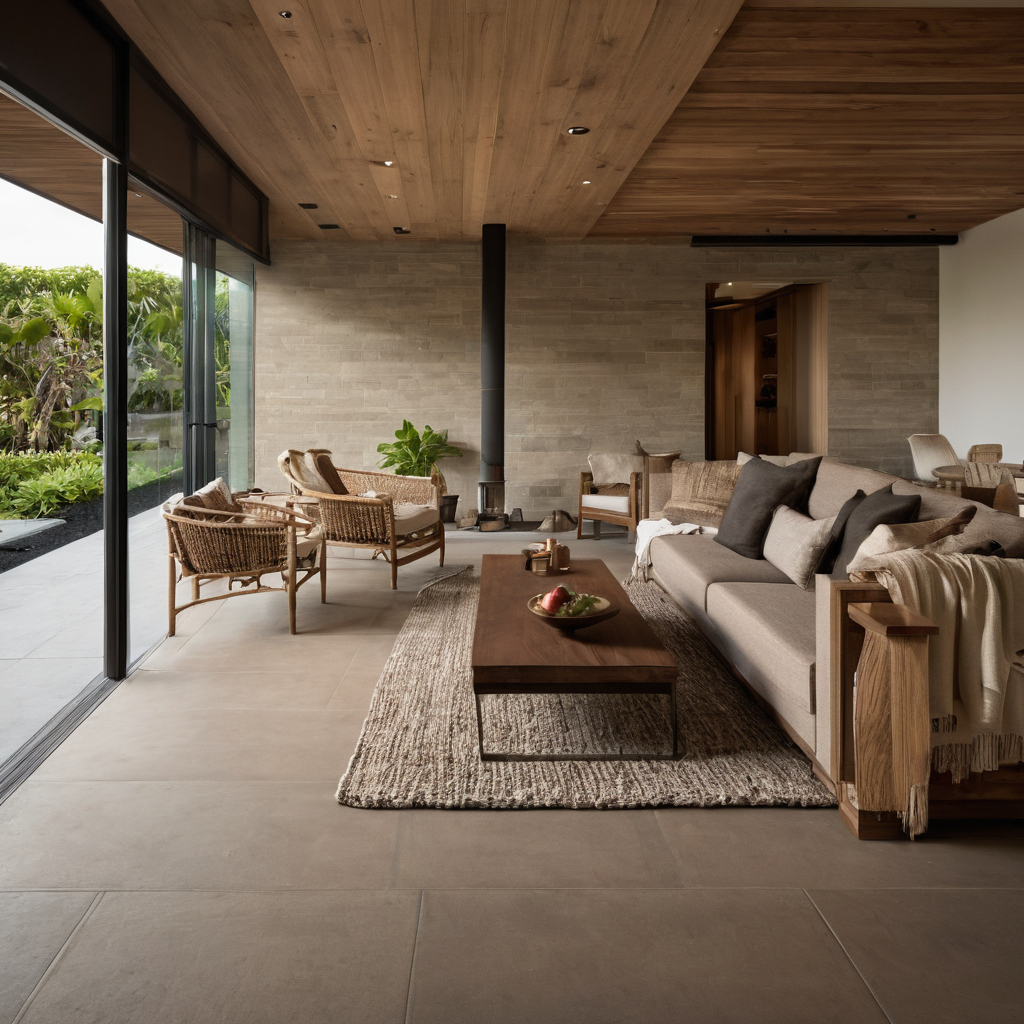
Seating area beside sliding terrace doors.
Which materials should you compare?
Compare complete products under the same proposed use, not isolated species or metal names. For a dining chair, ask about frame material, fasteners, joints, seat construction, finish, cushion and replacement parts. For a table, add the top surface, edge details and the way water drains. Two pieces both labelled teak may differ in construction and care requirements; two aluminum chairs may use different coatings and fittings.
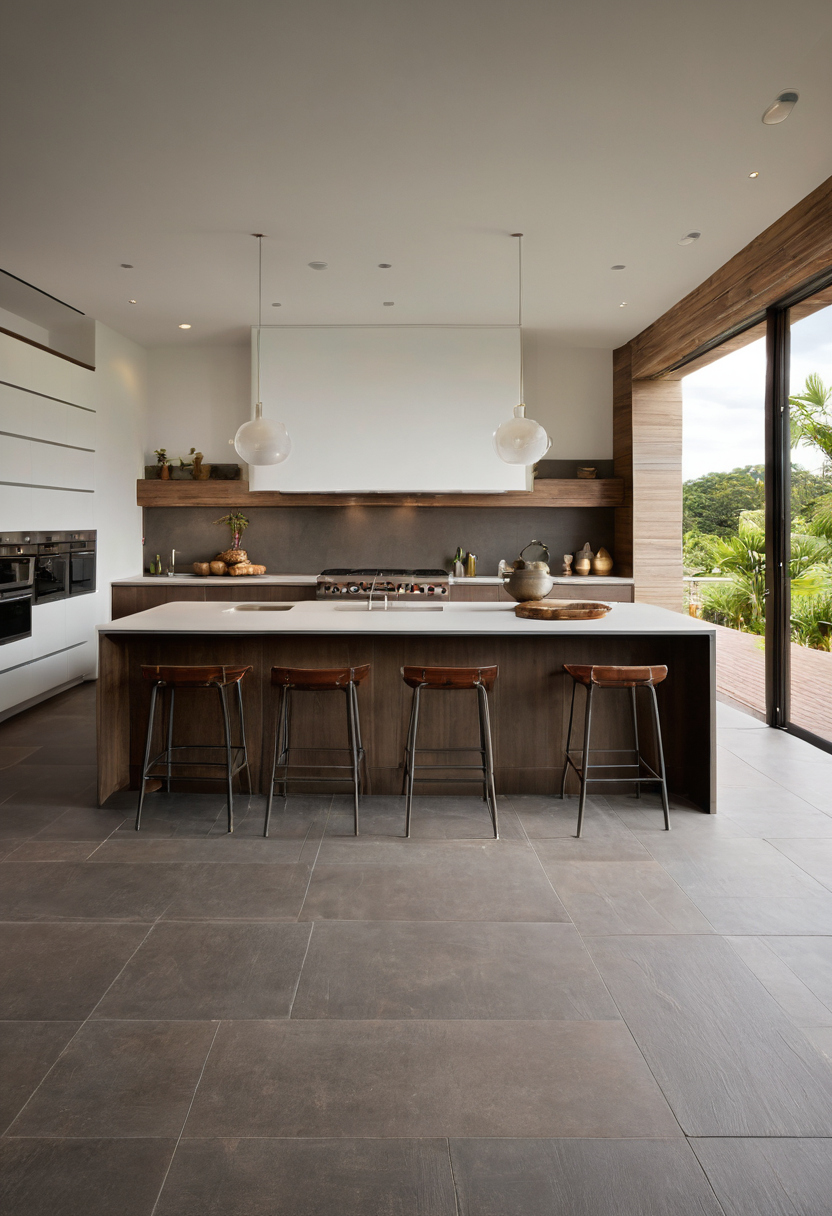
Kitchen island and wood-fronted cabinetry.
Material choices also affect indoor air quality when furniture moves between the lanai and the living room. As noted by the U.S. Environmental Protection Agency, furnishings, varnishes and waxes are common indoor sources of volatile organic compounds (U.S. Environmental Protection Agency). Request documentation for outdoor suitability and the conditions of the warranty. Does it cover a covered lanai, direct sun and rain, or only indoor use? What cleaning products are allowed? Are cushions meant to be stored dry when not in use? If the answer is not in the product documentation, ask the maker or retailer to clarify it in writing before purchase. Avoid extrapolating from a material claim to the whole piece.
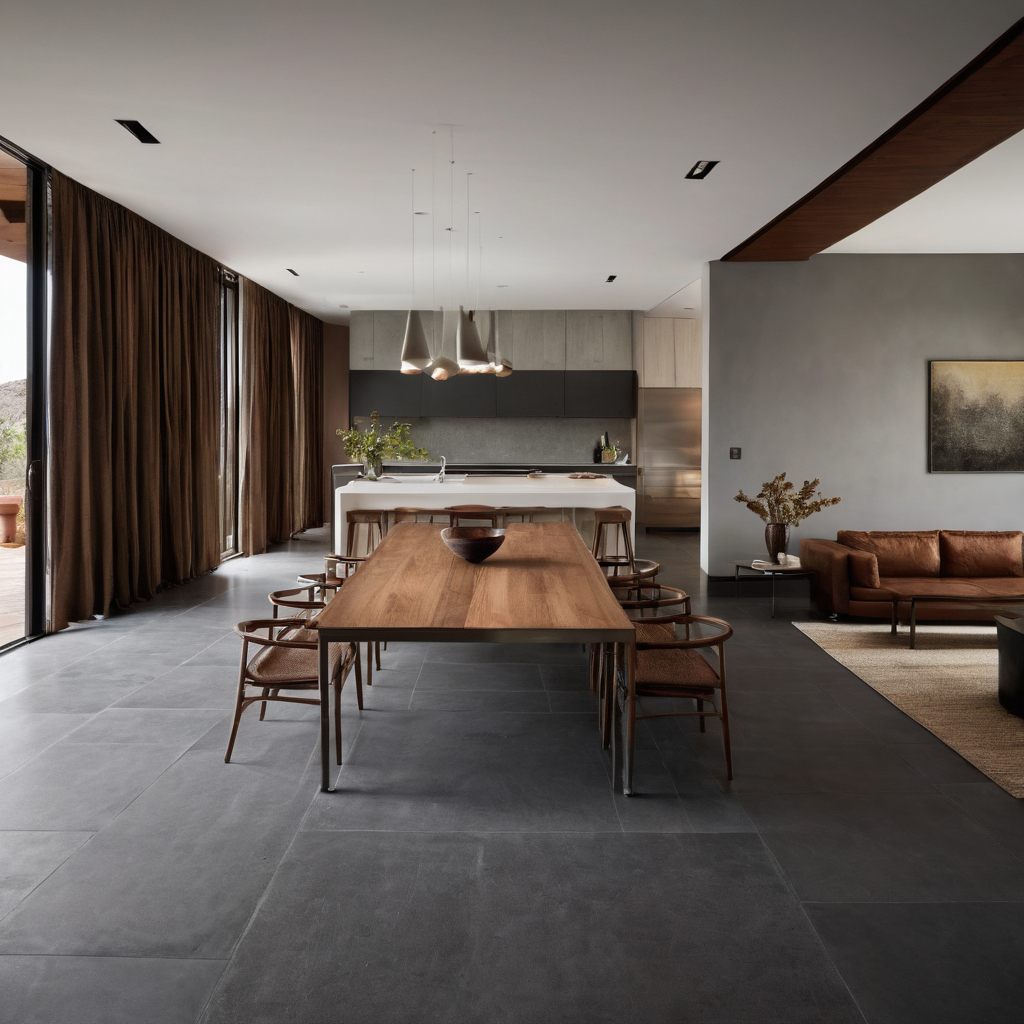
Dining table beside a kitchen and large windows.
Consider whether the household can perform the required maintenance. A finish that must be inspected and renewed may be appropriate for someone who wants that appearance and can care for it. Another household may prefer a different look with less routine work. There is no evidence here for a universal service-life ranking among teak, acacia, eucalyptus, painted metal and composite materials in Kona. Knowing which materials fit your willingness to maintain them sets up the practical question of what that maintenance actually looks like.
What maintenance routine is realistic?
Follow the maker's cleaning instructions first. As a general inspection habit, remove loose dirt without abrasive scrubbing, check for standing water, and look at edges and fasteners as well as the visible face. Maintaining protective coatings ensures water does not enter beneath them. If a coating is damaged, ask the supplier what repair system is compatible with that exact finish; a random clear coat may not adhere or may change its appearance.
Moisture control is central to keeping furniture intact. The U.S. Environmental Protection Agency advises fixing wet or damp spots promptly to prevent mold growth and recommends reducing indoor humidity (U.S. Environmental Protection Agency). Keep cushions and textiles dry according to their care instructions. Do not seal a damp cushion in a storage box merely to keep outside air away. If the piece is movable, placing it under cover during extended non-use can reduce direct weather exposure, provided the storage spot itself stays dry and ventilated. Furniture left outdoors needs more frequent visual checks than a piece inside the house, but this article does not set a universal inspection interval.
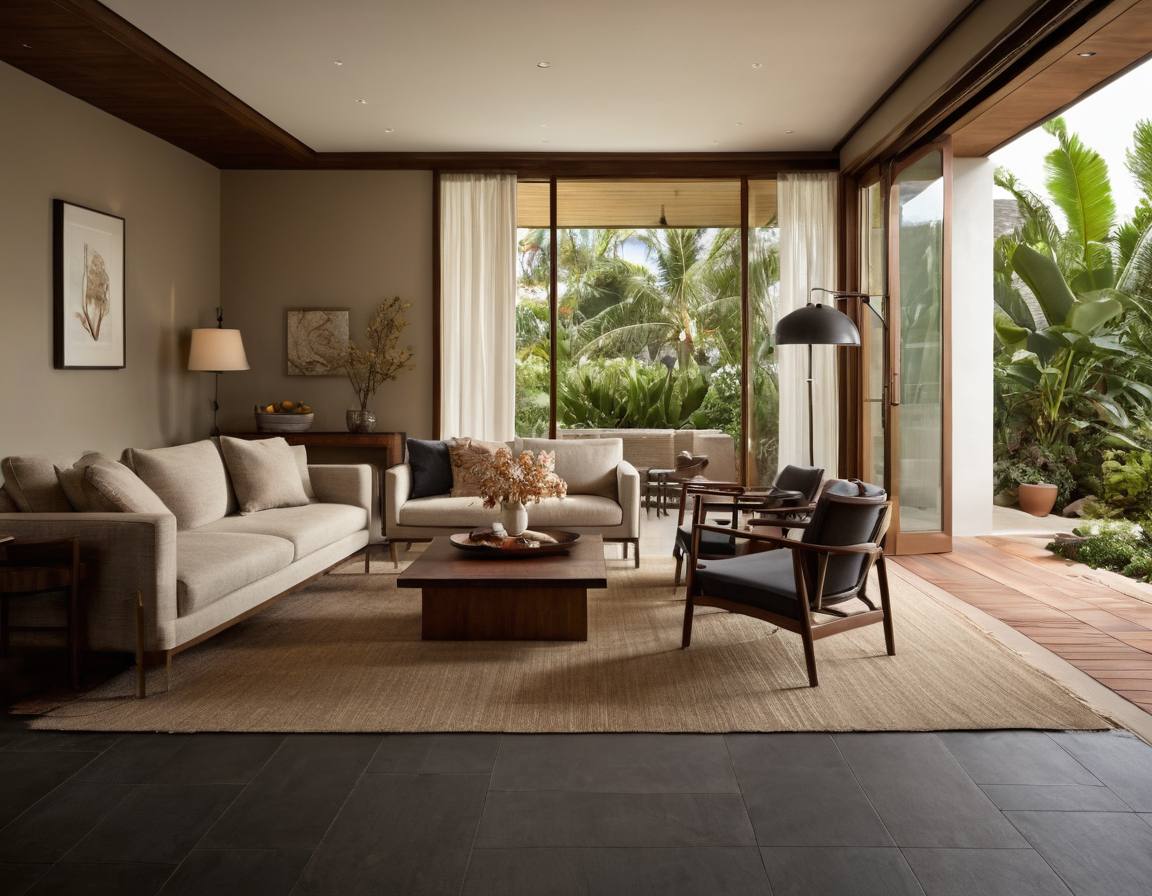
Living room with wood furniture and garden views.
When refinishing or treating wood, remember that varnishes and waxes emit volatile organic compounds. The EPA recommends increasing ventilation when using such products indoors (U.S. Environmental Protection Agency). If the house has a wetter microclimate than expected, revise the plan. Evidence may be visible as repeated residue on glass or metal, water pooling under a chair, or rapid wear on one face that receives sun. Record the location and changes rather than assuming a generic Kona humidity figure explains every problem. A supplier can use those observations to recommend compatible repair or a better-suited replacement. With a maintenance routine established, the final step is verifying everything before money changes hands.
What should you check before buying?
- State the exact location: indoor, covered outdoor or fully exposed, including sun and rain direction.
- Get the full product and finish specification for frame, fasteners, joints, fabric and cushions.
- Read the maker's intended-use, cleaning and warranty terms for that location.
- Inspect water-trapping details and access to repairable or replaceable parts.
- Choose a maintenance routine the household can actually follow and record the starting condition.
Moisture is a real consideration near the coast, especially for components exposed to dampness. The useful purchase decision, though, is based on the complete assembly, its documented outdoor use and the care it will receive. That is more defensible than declaring a single species or coating permanently resistant to Kona's environment. By matching the finish to the actual weathering exposure and controlling moisture promptly, homeowners and renters in Kailua-Kona can select furniture built to handle the realities of the coast rather than relying on material names alone.
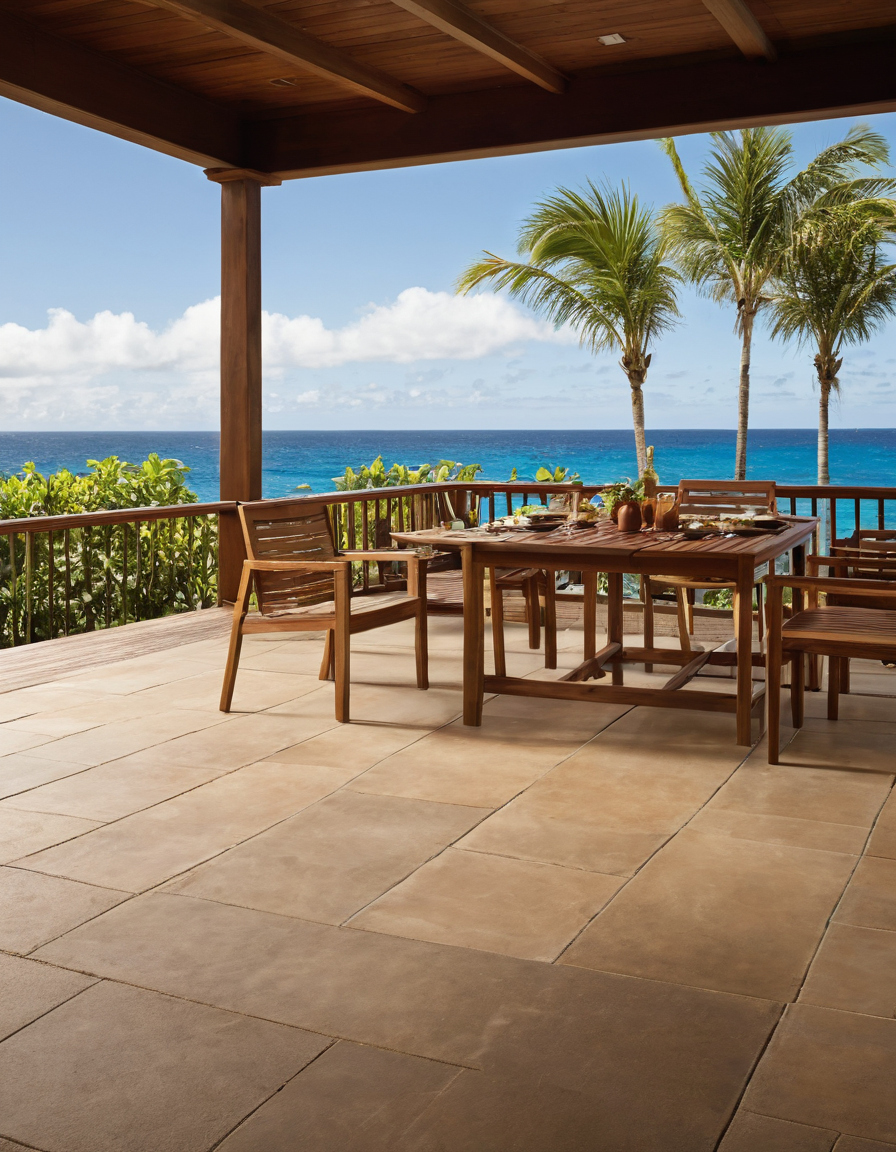
Covered outdoor dining area facing the ocean.
For more on this topic, see other guides on this site.